
What Is Mole Sauce? Mexico’s Most Complex Culinary Tradition
Mole sauce is one of the most intricate and celebrated sauces in Mexican cuisine, built from dozens of ingredients that come together into a single, deeply layered flavor.
Mole sauce is one of the most intricate and celebrated sauces in Mexican cuisine, built from dozens of ingredients that come together into a single, deeply layered flavor.
Mole is not a single recipe. It is a family of sauces, each with its own regional identity, ingredient list, and preparation method.
The most common myth about mole is that it is simply a chocolate sauce. In reality, chocolate is just one of many components, and not all mole varieties include it at all.
Mole represents centuries of culinary tradition in Mexico. Understanding it means understanding a culture that treats cooking as craft, history, and ceremony all at once.
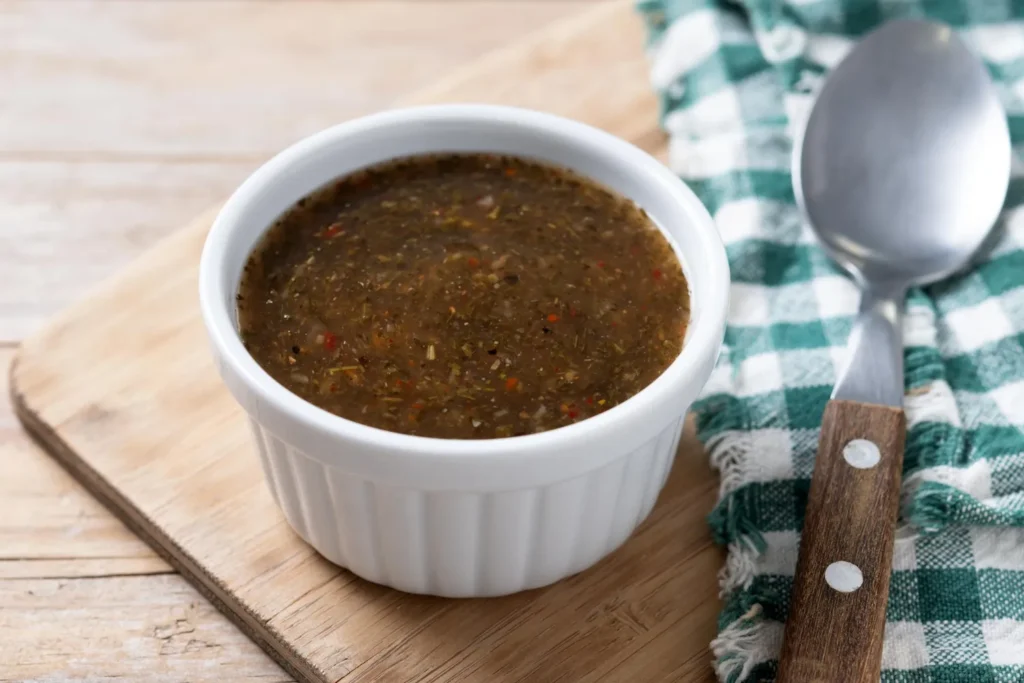
Mole sauce draws its depth from a combination of dried chiles, spices, nuts, seeds, and sometimes fruit. Each ingredient plays a specific role in the final flavor profile.
The dried chiles form the backbone of most mole recipes. Common varieties include mulato, ancho, pasilla, and chipotle, each contributing heat, smokiness, or earthy sweetness in different proportions.
The process of building mole involves toasting, soaking, blending, and frying ingredients in stages. This step-by-step technique pulls out distinct flavors that would otherwise remain flat.
Spices like cumin, cinnamon, and clove are added in small quantities. They do not dominate the sauce but instead create a warm aromatic background that ties everything together.
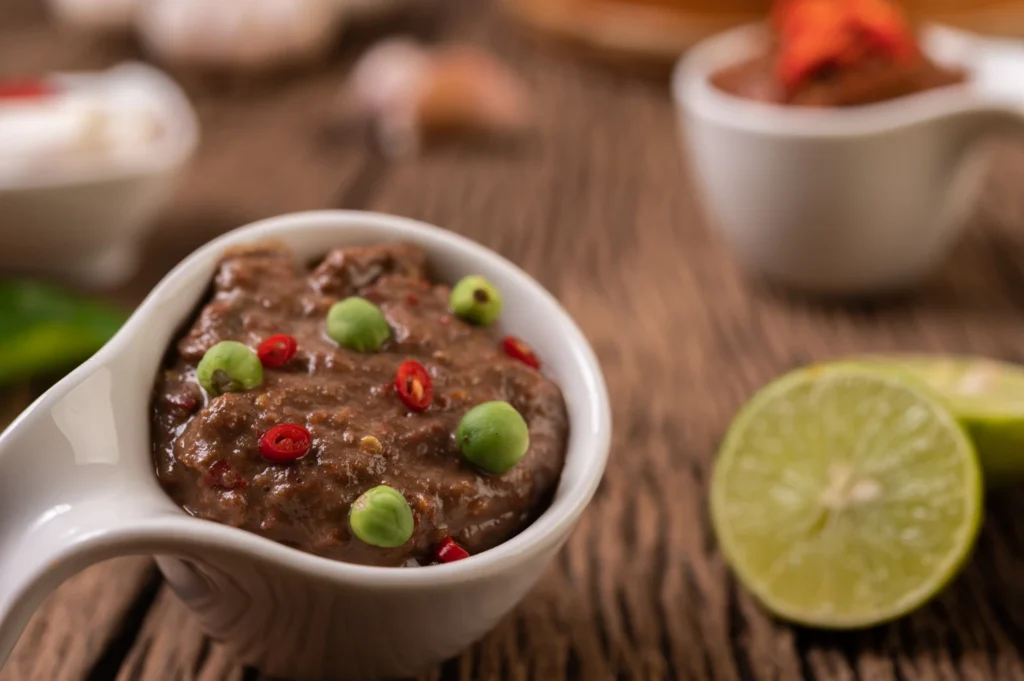
Mexican chocolate, usually unsweetened or minimally sweetened, is added late in the cooking process. It rounds out the acidity from tomatoes and chiles without making the sauce taste like dessert.
Not every mole includes chocolate. Mole verde, for example, relies on tomatillos and fresh herbs instead, producing a bright and tangy sauce that bears little resemblance to its darker counterparts.
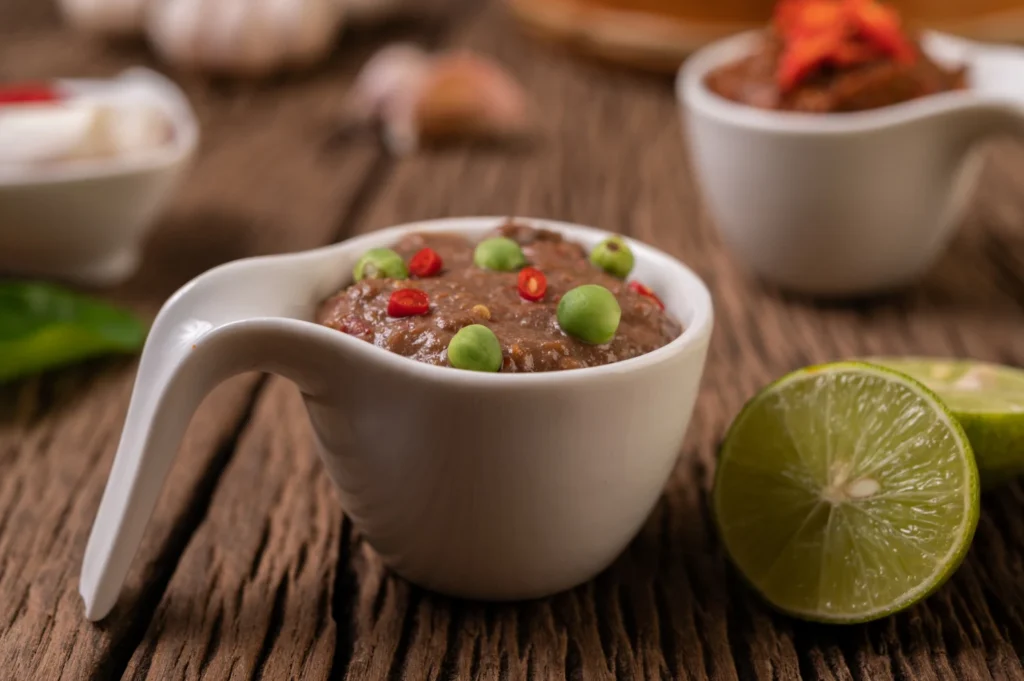
Food historians recognize at least seven major types of mole, though regional variations push that number much higher. The seven classic varieties are mole negro, mole rojo, mole coloradito, mole amarillo, mole verde, mole chichilo, and mole manchamanteles.
Each type originates from a specific region of Mexico, primarily Oaxaca and Puebla, which are considered the twin capitals of mole tradition.
Mole sauce has roots in pre-Columbian Mesoamerica, where indigenous cooks combined ground chiles with other ingredients to create complex ceremonial dishes. The word “mole” comes from the Nahuatl word “molli,” meaning sauce or concoction.
Oaxaca is home to the most celebrated mole traditions, particularly mole negro. This version uses a charred chile called chilhuacle negro and a long list of spices that can exceed 30 individual ingredients.
Puebla claims mole poblano as its own, the version most commonly served with turkey on special occasions. Local legend credits its invention to nuns in a colonial-era convent who prepared it for a visiting archbishop.
Across both regions, mole recipes are passed down through generations, with families guarding their own variations carefully. No two cooks make it the same way, and that diversity is considered a feature, not a flaw.
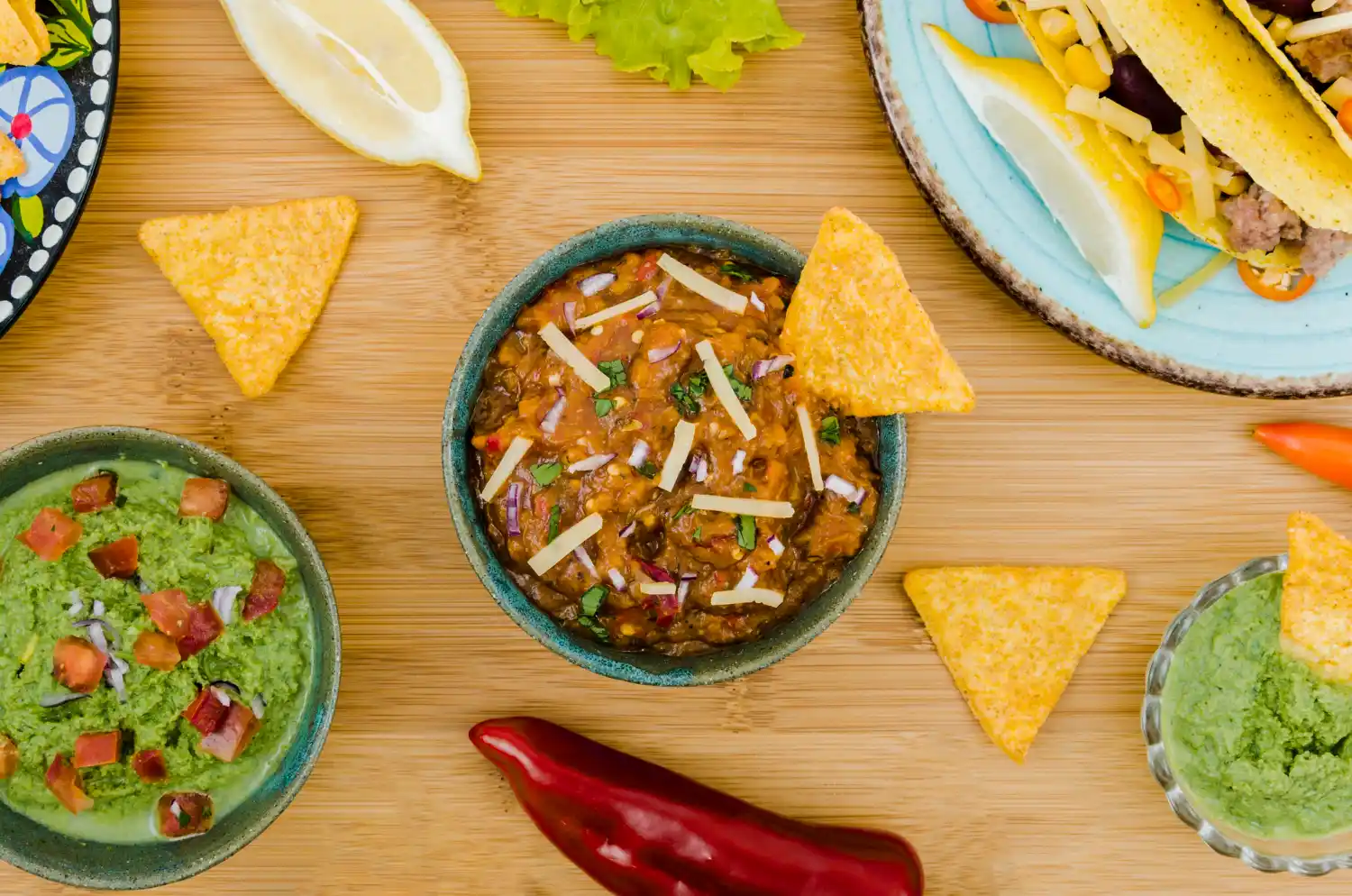
Mole is most traditionally served over turkey or chicken, with rice and warm tortillas on the side. It is a centerpiece dish for celebrations including Dia de los Muertos, weddings, and quinceañeras.
Beyond the classic preparations, modern Mexican kitchens use mole as a base for tamales, enchiladas, and even soups. Its concentrated flavor means a small amount transforms an entire dish.
The sauce also holds well, improving in depth after a day or two in the refrigerator. Many cooks make large batches specifically to let the flavors develop further before serving.
If you are new to mole, start with mole poblano. It is the most widely available variety and offers the best introduction to the balance of heat, sweetness, and spice that defines the sauce family.
Pay attention to the finish. A well-made mole lingers on the palate, cycling through distinct flavor notes rather than hitting all at once. That layered finish is the signature of careful preparation.
Ask your server or the kitchen about the chile base. Knowing which chiles anchored the recipe gives you useful context for what you are tasting and helps you compare styles as you explore further.
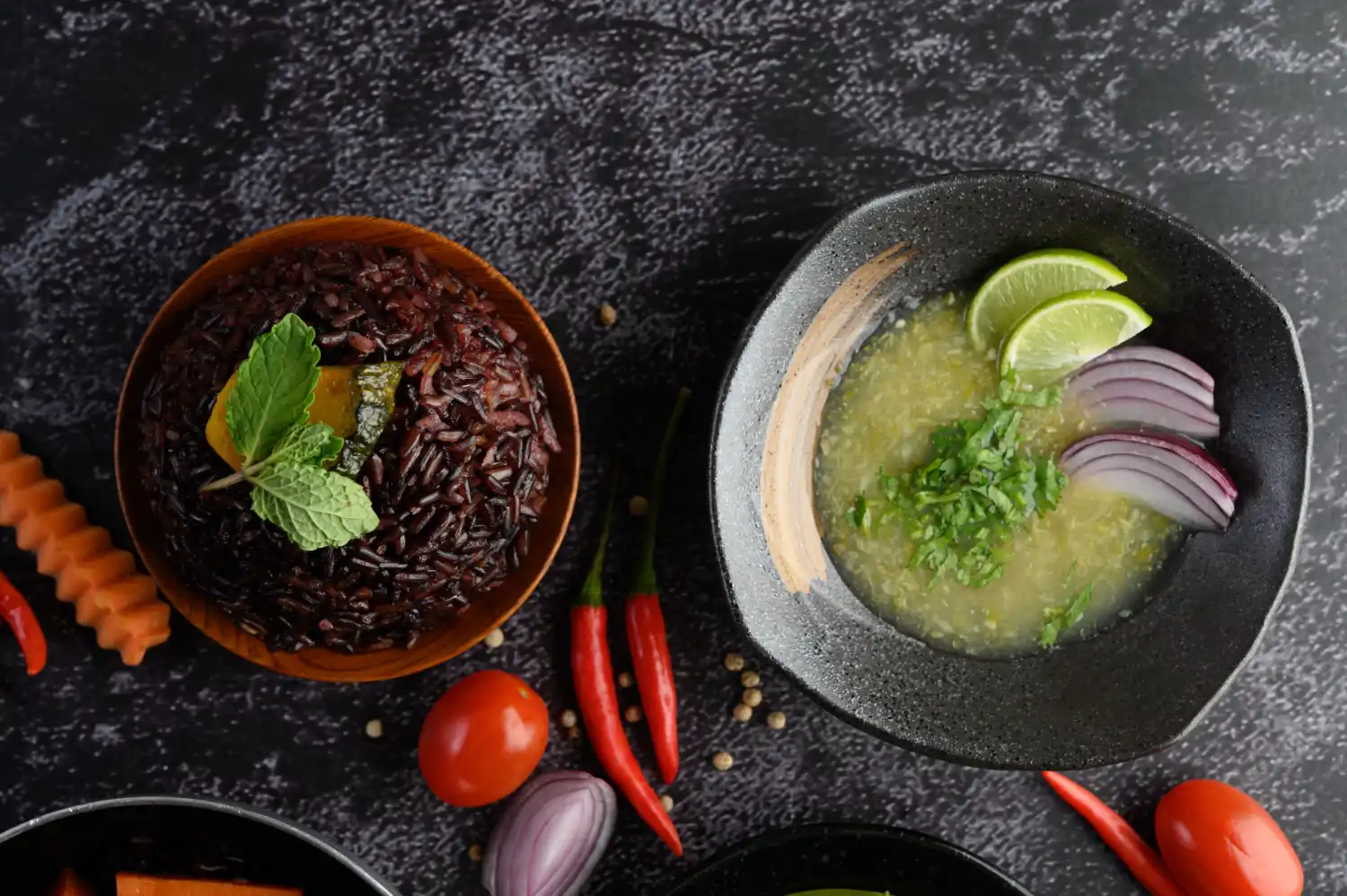
Lolita Portland serves traditional Mexican cuisine with an emphasis on regional recipes prepared using time-honored techniques. Mole holds a central place on the menu, made from scratch using imported dried chiles and authentic Mexican chocolate.
Every batch is prepared in-house and served the way it was meant to be experienced: over slow-cooked poultry, with handmade tortillas and the full context of the meal it was designed for.
If you want to understand what mole sauce truly is, the best starting point is a single, well-prepared plate.
Essay writing platforms like that do my programming homework now! deliver content tailored to specific educational goals while maintaining consistency and academic accuracy.